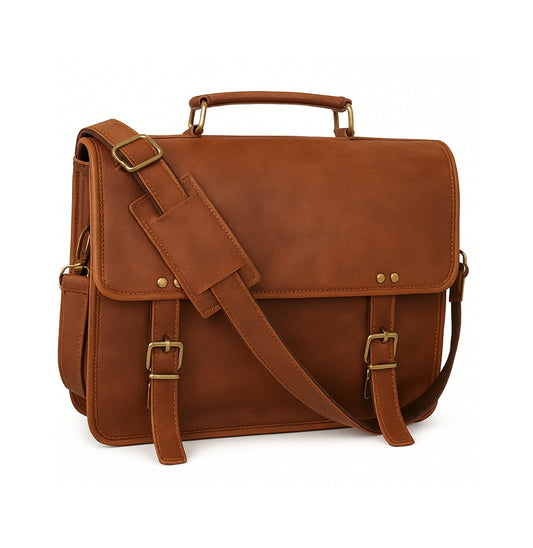
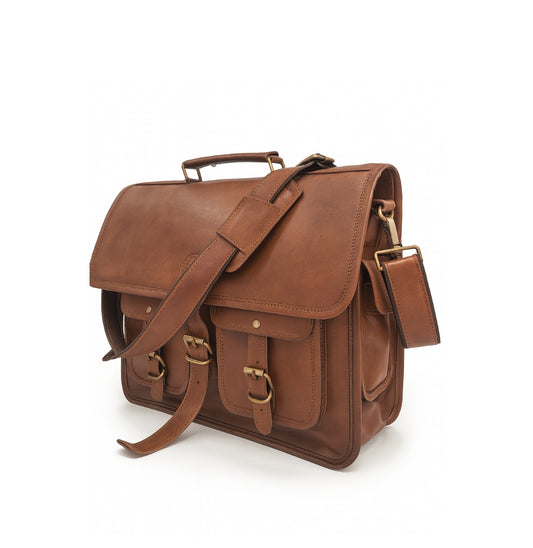
Are Animals Killed for Leather Bags? Understanding the Reality

Questions about leather and animal welfare are becoming more common, and rightly so. Many people want to understand where leather comes from before choosing a leather bag or accessory. This blog aims to explain the reality in a clear, neutral, and factual way, without emotional claims or exaggeration.
Why This Question Exists
Leather is a natural material, and it comes from animal skin. Because of this, many people assume animals are killed specifically for making leather bags. While this belief is widespread, the real situation is more complex and deserves proper explanation.
Where Does Most Leather Actually Come From?
Globally, leather is largely sourced as a by-product of existing food industries. Animals are primarily raised to meet food demand. After meat is processed, the skin remains. This skin can either be discarded or responsibly processed into leather.
According to global leather industry data:
- Around 95–99% of leather worldwide comes from animals already processed for food purposes
- Leather production exists mainly to utilize this leftover material, not to drive animal slaughter independently
This means leather is generally not the primary reason animals are raised.
A Neutral Reality Check
It is also important to stay honest and balanced:
- Leather demand alone does not control or drive animal farming
- The food industry exists regardless of leather use
- Leather simply makes use of material that would otherwise become waste
If leather were not produced, a large volume of animal skin would require disposal, creating environmental and waste-management challenges.
Leather and Waste Reduction
Using animal skin for leather helps:
- Reduce organic waste
- Extend the life cycle of existing resources
- Create long-lasting products instead of short-term materials
Leather bags, journals, and accessories are often used for many years, sometimes decades, reducing the need for frequent replacements.
Leather vs Synthetic Alternatives
Many people compare leather with synthetic materials like PU or plastic-based alternatives.
While synthetic materials do not involve animal by-products, they are:
- Made from petroleum-based chemicals
- Non-biodegradable
- Often designed for short-term use
Leather, when responsibly sourced and properly maintained, tends to last significantly longer and does not rely on fossil-based raw materials.
The Importance of Responsible Sourcing
Not all leather products are the same. Responsible brands focus on:
- Ethical sourcing
- Regulated tanning processes
- Skilled craftsmanship
- Quality over mass production
Choosing well-made leather products supports durability, reduced waste, and thoughtful consumption.
What Consumers Should Take Away
Instead of asking whether leather is “good” or “bad,” it is more useful to understand:
- Where the material comes from
- How long the product will last
- How responsibly it is made
Leather is not about harming animals for fashion. In most cases, it is about making practical use of materials that already exist due to food consumption.
Final Thoughts
Leather bags and accessories are created using animal skin that largely comes from existing food industries. While it is valid to question material sources, understanding the full context allows consumers to make informed and responsible choices.
Education, transparency, and thoughtful buying decisions matter more than assumptions.
Disclaimer
This blog is shared for informational purposes only and is based on general industry research and publicly available information. Leather sourcing practices may vary by region and supplier. The content does not represent all industry practices and should not be considered legal or ethical certification. Readers are encouraged to conduct their own research before making decisions. The company does not promote harm to animals and supports responsible sourcing and ethical manufacturing practices wherever possible.