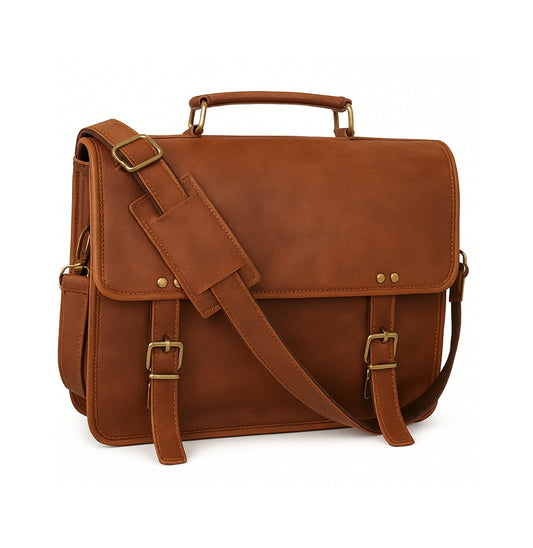
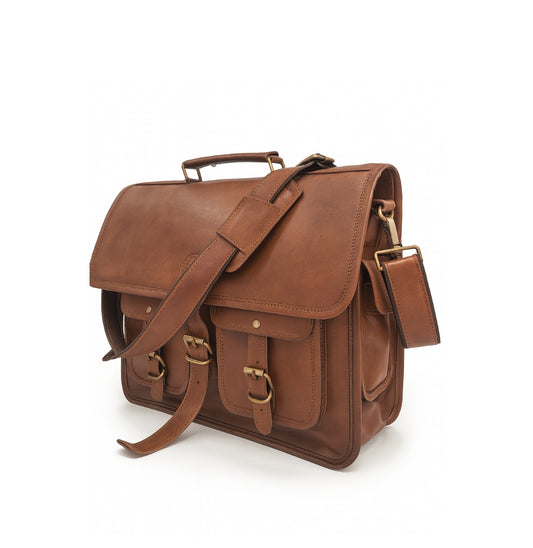
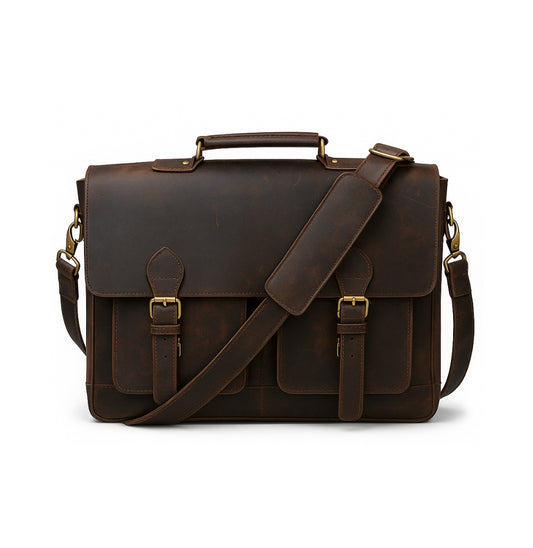
How Many Types of Leather Are There? A Complete Guide

Leather is one of the most popular materials used in bags, shoes, jackets, furniture, and accessories. But many people still ask the same question:
How many types of leather are there?
The simple answer is that there are five main types of leather grades, each with different levels of quality, durability, and processing. Understanding these types helps you make smarter decisions when buying leather products especially items like backpacks and travel bags that need strength and longevity.
In this guide, we’ll clearly explain how many types of leather there are, how they differ, how they feel, and which type is considered the best.
What Determines the Types of Leather?
Leather types are classified based on:
- Which layer of the animal hide is used
- How much sanding or processing is done
- Surface finishing techniques
- Overall durability and strength
The outermost layer of the hide is the strongest. As layers go deeper, durability decreases. That is why leather is graded.
Now let’s look at the five main types of leather.
1️⃣ Full Grain Leather (Highest Quality)
Full grain leather is considered the highest quality leather available.
It comes from the very top layer of the hide and is not sanded or buffed to remove natural imperfections. Because of this, it keeps the original grain, pores, and character of the hide.
How It Feels:
- Slightly textured and natural
- Thick and substantial
- Strong yet flexible
- Not overly smooth or artificial
You may see small scars or wrinkles. These are not defects — they prove authenticity.
Why It’s Premium:
Full grain leather is extremely durable and can last 10–20 years with proper care. Over time, it develops a natural sheen called patina, which makes the leather richer and more beautiful.
This type of leather is commonly used in:
- Premium backpacks
- Luxury bags
- High-end boots
- Quality belts
If you are looking for long-term durability and natural beauty, full grain leather is the best choice.
2️⃣ Top Grain Leather
Top grain leather is the second-highest quality grade.
It also comes from the upper layer of the hide, but the surface is lightly sanded to remove imperfections. A finishing coat is often applied for a smoother appearance.
How It Feels:
- Smoother than full grain
- More uniform in texture
- Softer to touch
- Slightly more polished look
Because it is treated, it is more stain-resistant and easier to maintain.
However, since the natural grain is slightly altered, it does not develop patina as strongly as full grain leather.
Top grain leather is commonly used in:
- Quality handbags
- Office bags
- Furniture
- Professional accessories
It offers a strong balance between appearance, durability, and price.
3️⃣ Genuine Leather
Many people misunderstand this term.
Yes, genuine leather is real leather but it is made from the lower layers of the hide after the top grain has been removed.
How It Feels:
- Softer and more flexible
- Thinner than higher grades
- Often embossed with artificial grain patterns
Because it comes from inner layers, it is less durable than full grain or top grain leather.
It is commonly used in:
- Affordable bags
- Wallets
- Fashion accessories
While genuine leather is real, it does not age or last as long as higher-grade leather.
4️⃣ Split Leather
Split leather is taken from the lower portion of the hide after the top layer has been separated.
It is softer but less durable. Sometimes it is coated or embossed to resemble higher-quality leather.
How It Feels:
- Soft and lightweight
- Less structured
- Slightly less dense
Split leather is often used for suede products or budget-friendly items.
Because it lacks the strongest outer layer, it does not provide the same longevity as full grain leather.
5️⃣ Bonded Leather (Lowest Grade)
Bonded leather is made from shredded leather scraps mixed with adhesives and synthetic materials. The mixture is pressed into sheets and coated to create a leather-like appearance.
How It Feels:
- Smooth and uniform
- Slightly artificial
- Less breathable
Bonded leather contains only a small percentage of real leather fibers.
Over time, it may:
- Crack
- Peel
- Deteriorate faster
It is commonly used in low-cost furniture and inexpensive products.
Quick Comparison of Leather Types
| Leather Type | Quality Level | Durability | Aging | Typical Use |
|---|---|---|---|---|
| Full Grain | Highest | Very High | Develops Patina | Premium bags & accessories |
| Top Grain | High | High | Ages well | Quality bags & furniture |
| Genuine | Medium | Moderate | Limited aging | Affordable goods |
| Split | Low-Medium | Moderate | Minimal aging | Suede & budget items |
| Bonded | Lowest | Low | May crack/peel | Low-cost furniture |
So, How Many Types of Leather Are There?
There are five main leather grades: full grain, top grain, genuine, split, and bonded leather.
Each type varies in strength, durability, appearance, and price.
If durability and long-term value matter most, higher-grade leather like full grain or top grain performs significantly better.
Frequently Asked Questions
Q1. How many main types of leather are there?
There are five main leather grades: full grain, top grain, genuine, split, and bonded leather.
Q2. What is the highest quality leather?
Full grain leather is considered the highest quality because it uses the strongest outer layer of the hide.
Q3. Is genuine leather real leather?
Yes, genuine leather is real, but it comes from lower layers of the hide and is less durable than full grain or top grain.
Q4. What type of leather lasts the longest?
Full grain leather lasts the longest due to its strength and minimal processing.
Q5. Is bonded leather real leather?
Bonded leather contains small amounts of real leather mixed with synthetic materials and adhesives.